Technical notes, field journals, and longer thoughts.
0results
field notes
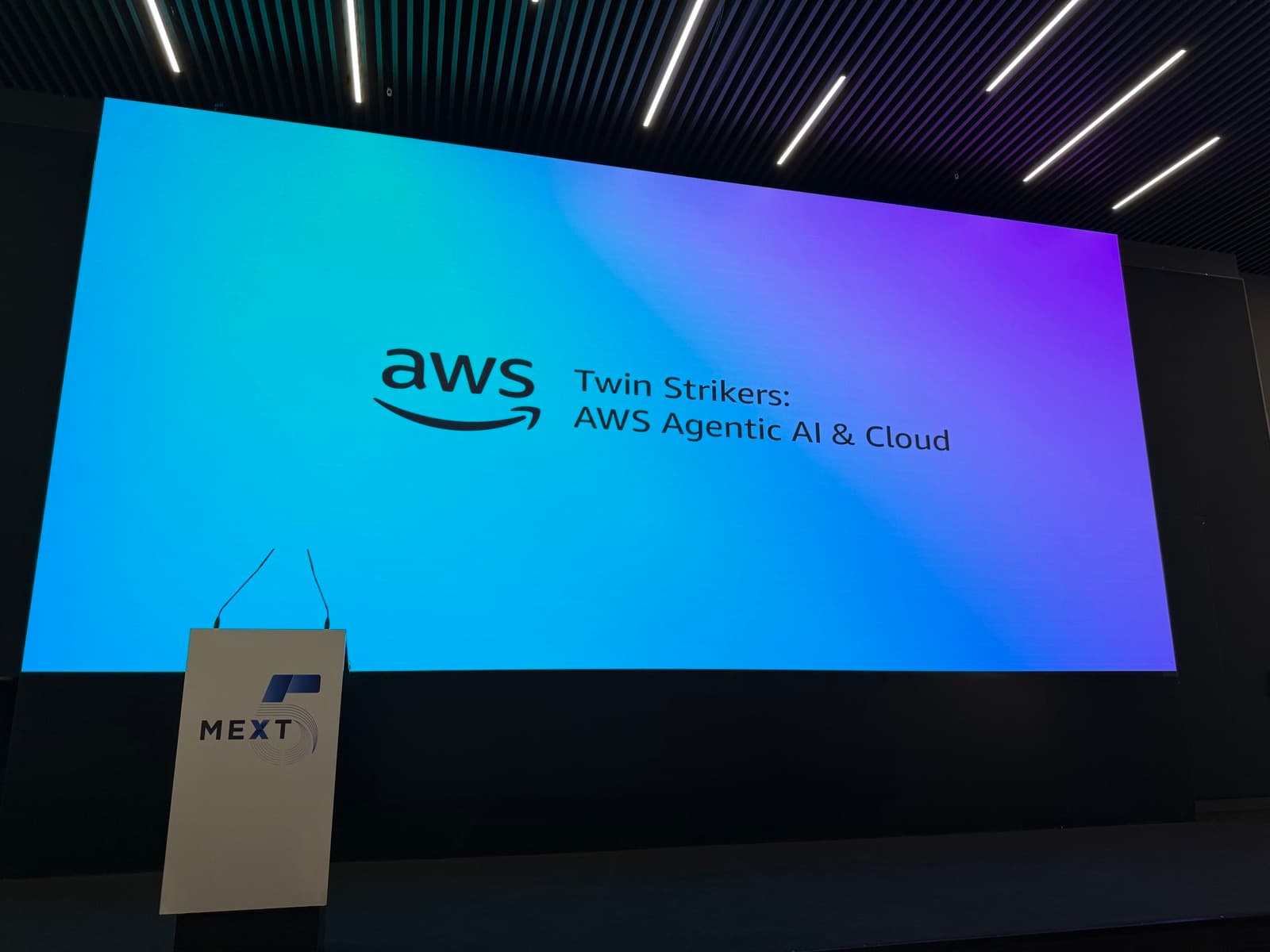
Notes from the Twin Strikers: AWS Agentic AI & Cloud day at MEXT: Türkiye's AI report card, the agents' 'year zero', forms-to-conversations with MCP, and the Agentic Football Cup.
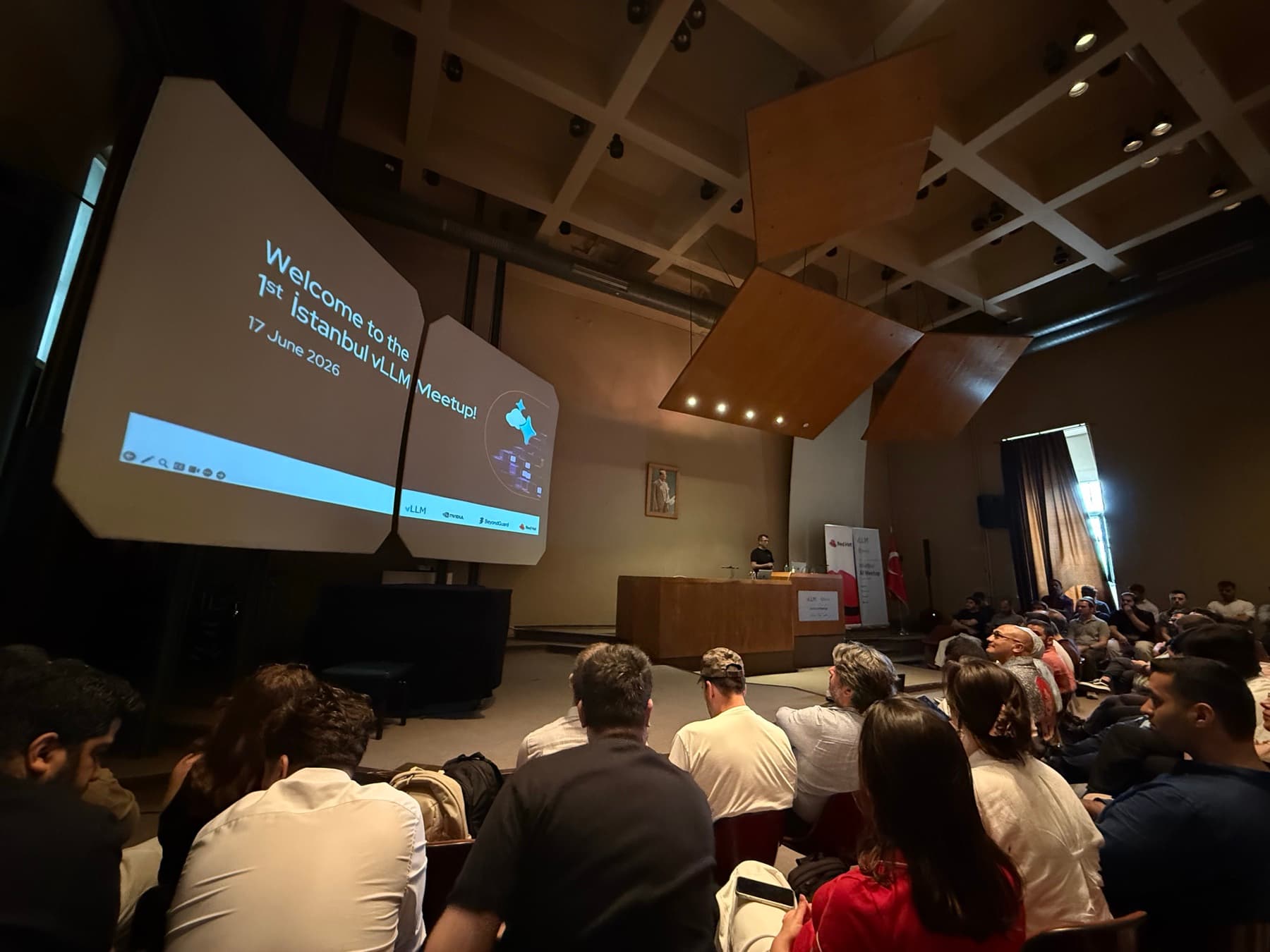
Notes from the Istanbul vLLM & llm-d meetup at İTÜ Taşkışla: PagedAttention, continuous batching, and an unexpected run-in.
systems
Passing schema validation does not mean safe: injection into field values, schema bypasses, unsafe tool arguments, and downstream parser risks. A valid shape can carry an invalid intent.
The same schema does not behave the same on every model: native structured-output modes (OpenAI, Anthropic, Gemini) vs constrained decoding, schema feature gaps, and JSONSchemaBench evidence.
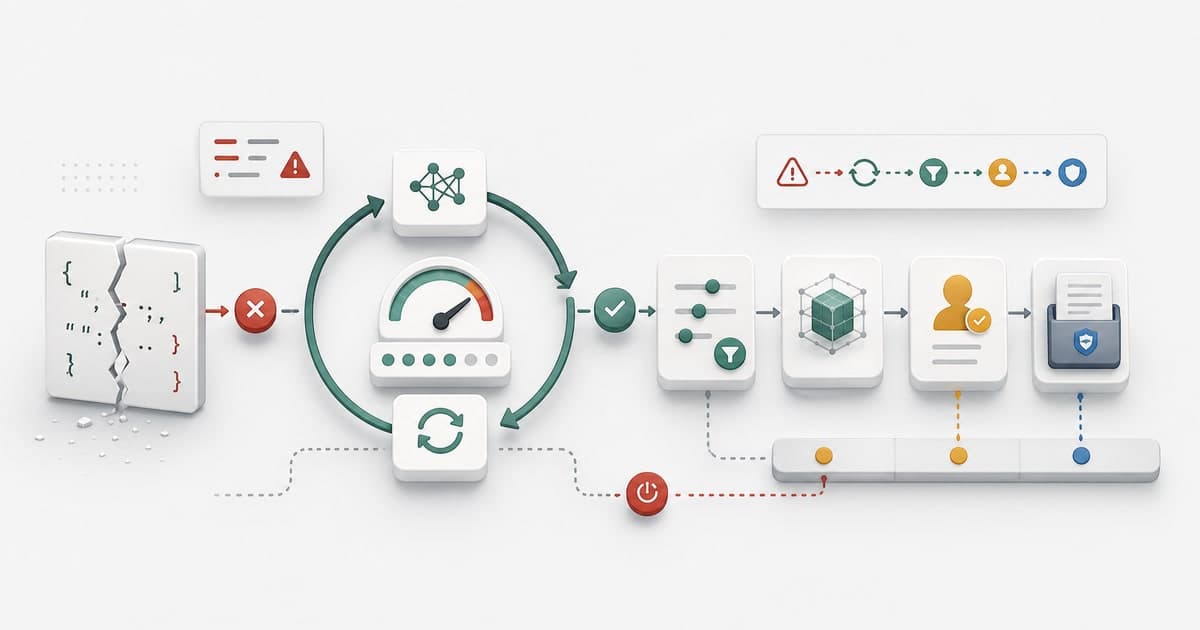
How systems recover from malformed or invalid output: the re-ask repair loop, bounded retries, error feedback, and a fallback chain from constrained decoding down to a human.
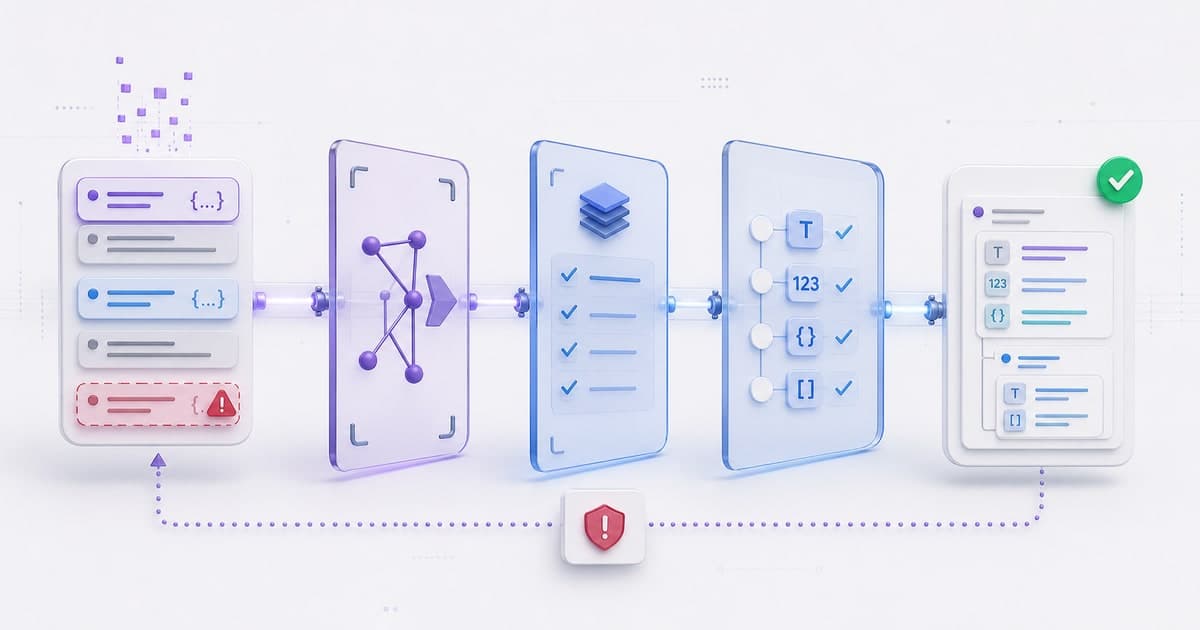
Treating validation as an application boundary, not a prompt instruction: types, enums, required fields, nested schemas, and partial outputs with Pydantic, Zod, Instructor, and Guardrails.
Forcing valid structure at generation time instead of hoping for it: token masking against a grammar/FSM, compiling JSON Schema to an automaton, and the costs. PICARD, LMQL, Outlines, Guidance, XGrammar.
The formats an LLM can emit and when to use each: JSON (and why it dominates), XML, YAML, Markdown tables, and typed objects (Pydantic, Zod) over JSON, with readability, parseability, and token-cost trade-offs.
Task success, progress rate, tool correctness, pass^k reliability, cost, and human review: a layered reading of whether an agent is good, through WebArena, SWE-bench, AgentBoard, tau-bench, and METR.
Infinite loops, tool spam, goal drift, stale state, and silent partial failure: the five ways agents break in production, how to detect them, and how budgets and state contain them.
Supervisor-worker, specialist agents, debate, delegation, and coordination cost: when multi-agent architecture helps, when it just adds noise, and why a single well-built agent often wins.
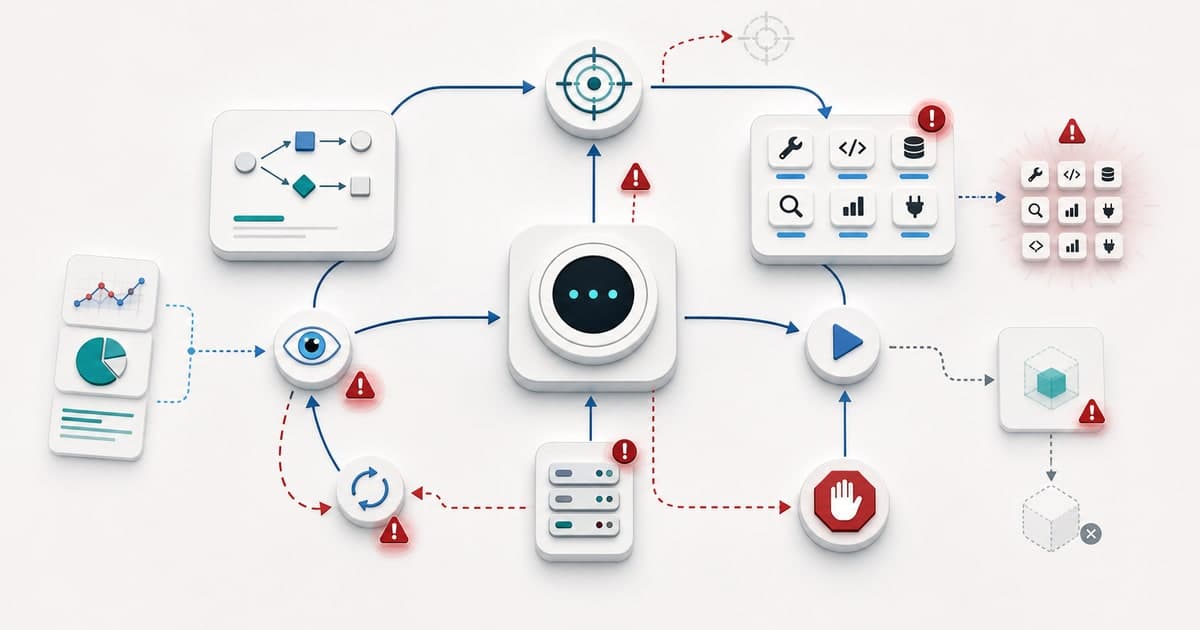
Reading agent autonomy as a bounded control problem: how loop, tool, cost, and time budgets, escalation rules, and termination conditions compose into a single guardrail.
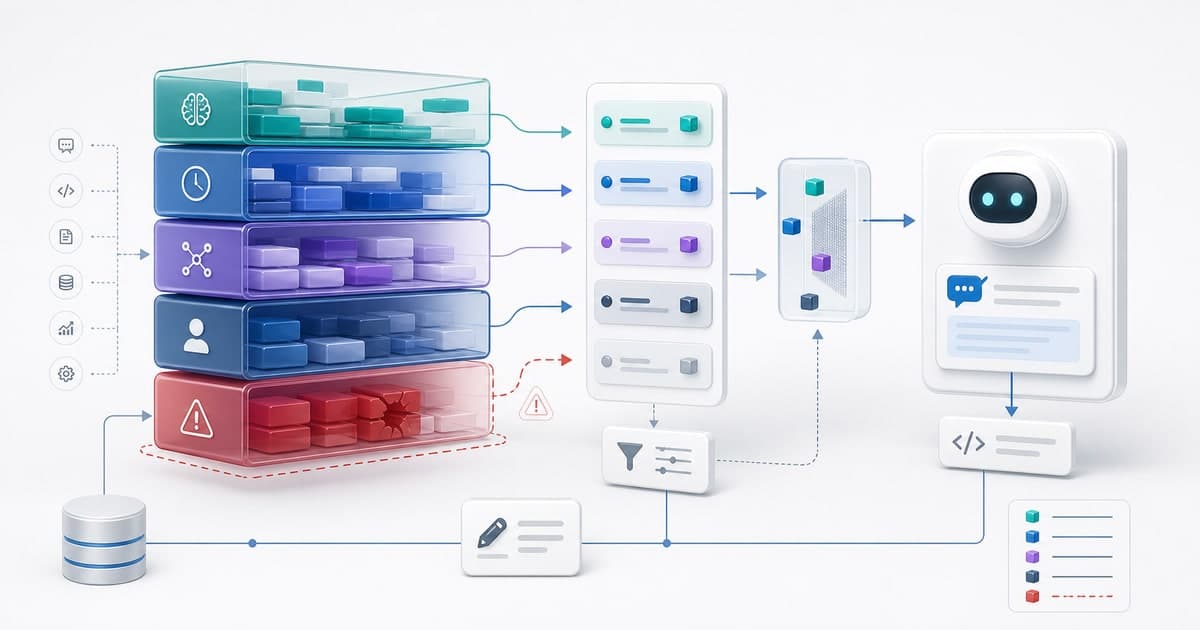
A practical reading of working memory, episodic memory, semantic memory, preference memory, and memory poisoning through storage, retrieval, update, and safety policies.
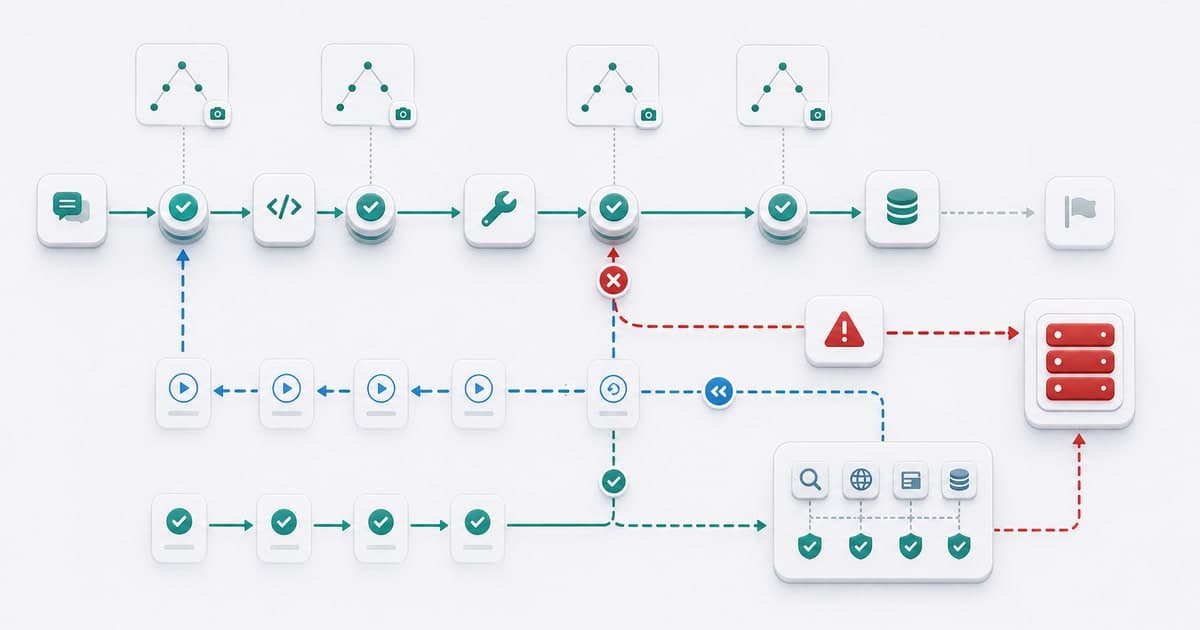
A sourced and schematic reading of conversation state, task state, tool state, checkpoints, replay, rollback, redrive, and idempotency for production agents.
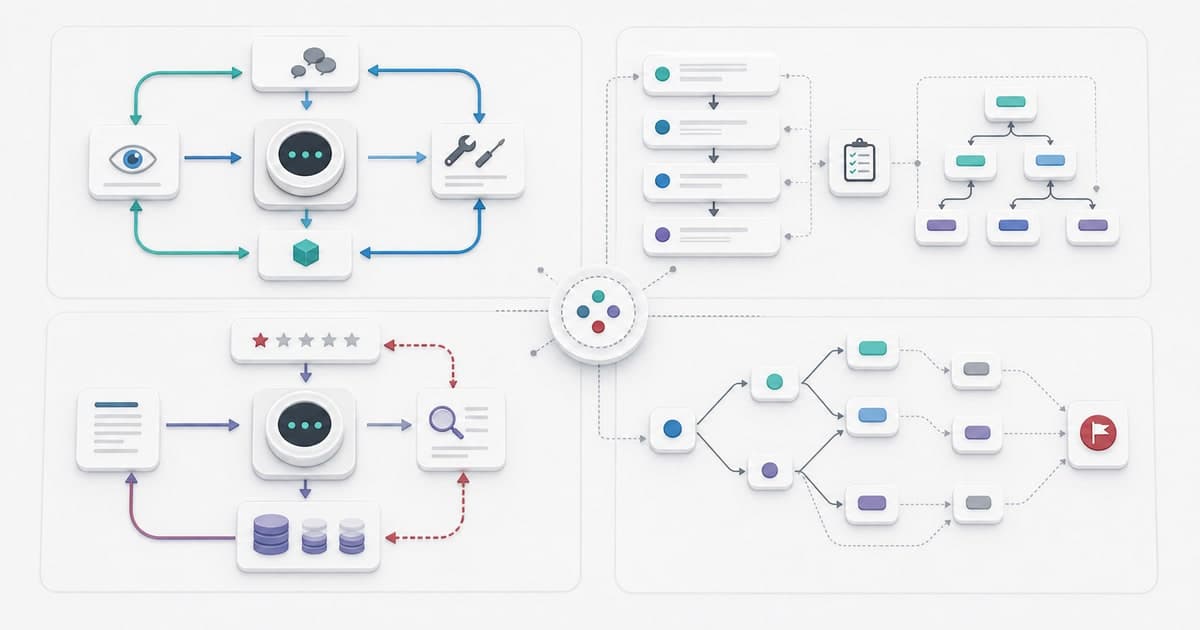
A sourced reading of ReAct, Plan-and-Execute, Reflexion, Tree of Thoughts, and Graph of Thoughts across feedback, state, search, and cost.
What separates an agent from a chatbot or workflow: goals, state, tools, loops, and termination as an explicit system contract.
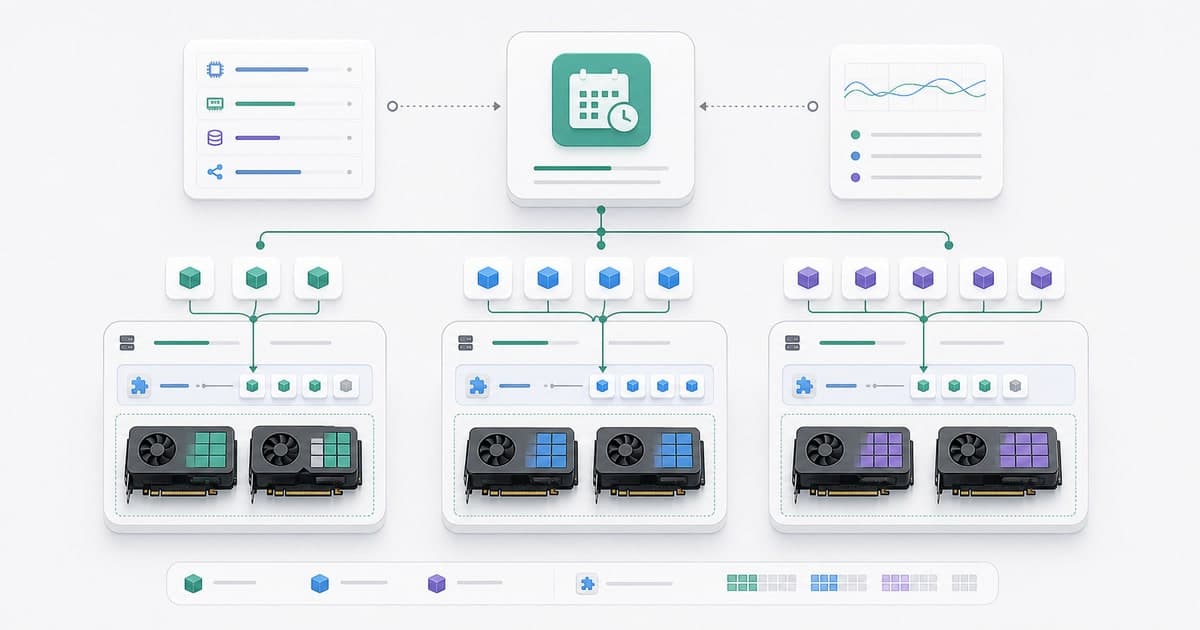
Practical notes on node labels, device plugins, and shared GPUs.
essays & guides